A burst pipe is not the time to learn where the main water shutoff is. The first few minutes matter.
Emergency plumber services are meant for problems that can’t safely wait for a routine appointment. Knowing which problems need that response—and what to do while help is on the way—can save both time and property.
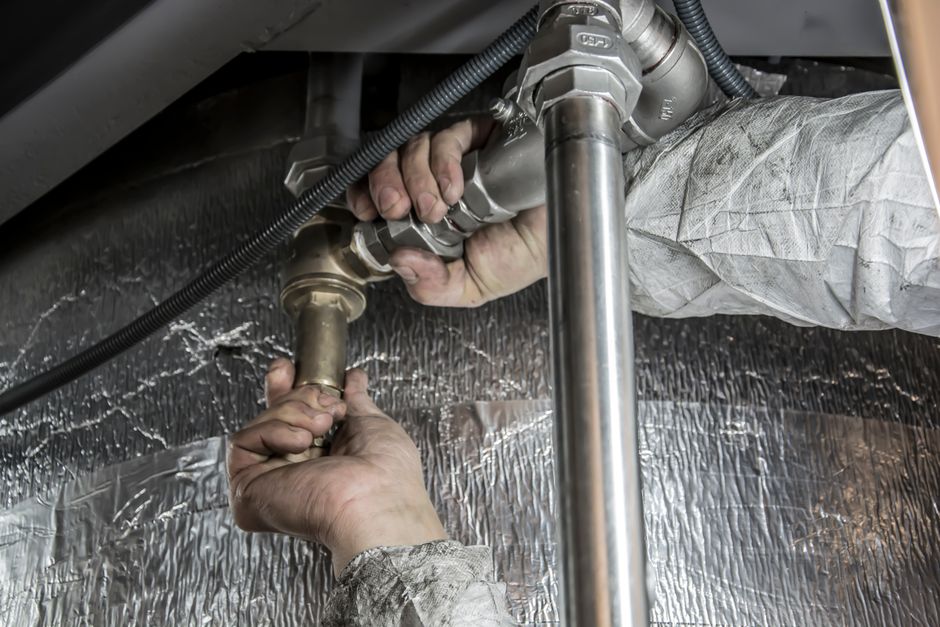
Recognizing a plumbing emergency
The clearest test is whether the problem is causing active damage or exposing people to wastewater. Call for urgent help when you have:
- A burst pipe or supply-line leak that you can’t contain with a fixture shutoff valve.
- Sewage coming up through a toilet, tub, or floor drain. If several drains are affected, stop using sinks, showers, laundry equipment, and toilets while you seek help. A backup calls for a different response from an ordinary clogged sink; see our guide to 24-hour plumbing and sewer services.
A single dripping faucet or slow drain can usually wait if you can stop using it without causing damage. Loss of hot water may become more urgent if someone in the home has a health-related need. When you call, describe what is happening rather than simply requesting “emergency service.”
A suspected gas leak is not primarily a plumbing dispatch problem. If you smell gas near a water heater or elsewhere, leave immediately without operating switches, appliances, or a phone inside. From a safe location, call 911 or your gas utility. For more detail, read what to do if you suspect a natural gas leak.
Immediate actions before help arrives
First, keep people out of the affected area. Then take the steps that fit the problem; trying every step on a generic emergency checklist can make matters worse. In particular, don’t run faucets to “drain the pipes” if wastewater is backing up.
- Stop the water if you can reach a valve safely. For a toilet, sink, or appliance supply leak, try its nearby shutoff valve first. For an uncontrolled leak, use the home’s main shutoff. Know its location before an emergency; it may be where the supply line enters the house, not beside the outdoor meter. Don’t force a stuck valve.
- Treat water near electricity as a separate hazard. If electrical equipment or wiring is wet, turn off power only if you can reach the breaker from a dry, safe place. Never step into standing water to reach a panel or operate a switch while standing in water. Call an electrician or emergency services if you cannot make the area safe.
- Keep clear of sewage. Move children and pets away, and avoid touching wastewater or wet belongings. The CDC advises avoiding contact with water that may contain sewage; a substantial backup may also require professional cleanup after the drain is repaired.
- Limit damage without delaying the call. If the area is safe, place a bucket under a small clean-water leak and move dry belongings away. Take photos or video before disposing of damaged items, and keep receipts for emergency work.
Tell the plumber if you shut off the main supply, used a chemical drain cleaner, or noticed water entering walls or ceilings. Don’t restart a leaking water heater or restore power to wet equipment just because the visible water has been removed. Once the leak is stopped, drying matters too: the EPA recommends drying water-damaged areas and items within 24–48 hours to help prevent mold growth.
Selecting a reliable emergency plumber
Speed matters. Ask whether the company has a person taking calls, whether a plumber is available for your area, and what the estimated arrival window is. Say if the water is still running or sewage is entering the home.
Before authorizing work, ask for the business name, applicable license or registration number, and proof of liability insurance. Requirements vary by jurisdiction, so check the credential with your state or local licensing agency rather than treating a company logo or association membership as a license. For work that can wait until morning, seek more than one estimate.
Even on a night call, establish the price basis: the dispatch or diagnostic charge, any after-hours premium, the labor rate or quoted repair price, and what would require your approval before the bill increases. Ask whether the visit will stop the immediate problem or complete the repair.
A clear description of the problem helps the company send the right equipment. If a sewer line is involved, ask whether the provider can inspect and clear it rather than only work on indoor fixtures. Reviews and referrals can help narrow your choices; an estimate, credentials, and a realistic arrival time matter more when water is actively damaging the house.
Costs associated with emergency plumbing services
A contained toilet overflow and a broken underground line are different jobs, and the bill may include a dispatch fee, after-hours labor, parts, access work, and a second visit. The old rule of thumb that an emergency repair falls within a few hundred dollars can be misleading for a major leak or sewer problem.
Ask for the charge to come out and assess the problem, then for a written description and price before permanent work begins. If the full repair is expensive, ask whether the plumber can safely isolate the problem now so you can compare estimates for the remaining work. Keep the invoice specific: it should show what failed, what was done, and which work remains.
Homeowners insurance and plumbing repair bills are not the same thing. Policies often cover resulting damage from a sudden, accidental pipe leak, subject to their terms, but that does not mean the policy pays to replace the failed pipe. Gradual leakage and sewer backup may be treated differently; sewer-backup coverage can be an optional addition to a home policy. Photograph the damage, contact your insurer promptly, and save repair and cleanup receipts. Our guide to filing a home insurance claim after damage explains how to organize the evidence and estimates.
Preventing future plumbing emergencies
Not every failure is predictable, but routine checks can catch small leaks before they soak a cabinet or floor. Look under sinks, behind accessible appliances, around the water heater, and at exposed pipe joints. An unusually high water bill can also be a clue. The EPA’s home maintenance guidance explains how to check for leaks using your water meter and recommends regular visual checks of fixtures and water-heater connections.
In cold weather, protect exposed pipes and know how to shut off the supply. If a pipe freezes, don’t use an open flame to thaw it; the American Red Cross recommends safer warming methods and calling a plumber when the frozen section cannot be found or thawed. If water has already begun leaking, shut it off rather than trying to thaw the pipe first.
Have a professional assess recurring drain backups, corrosion, or a water heater that shows signs of leaking. Consider a leak alarm in places where a small failure could go unnoticed, such as near a washing machine or water heater. For rentals, report plumbing problems to the landlord or property manager promptly and use the emergency contact procedure in your lease.
What credentials and repair guarantees tell you
Industry groups can help you find candidates, but membership is not a substitute for checking the person or company doing the work. The Plumbing-Heating-Cooling Contractors Association’s contractor directory is one starting point. Journeyman and master plumber titles can indicate training, but their licensing meaning and the work each holder may perform depend on local rules.
A service plan or company guarantee is useful only if it applies to the failure you have. For example, HomeServe’s repair-service terms describe a guarantee for covered repairs, while coverage limits and exclusions depend on the customer’s plan. Ask any provider—network or independent—for the warranty on this repair in writing, including who to call if it fails again.
The most useful preparation is simple: locate and test your shutoff valve before you need it, save the number of a plumber whose credentials you have checked, and know which problems require you to leave the area instead of attempting a fix. In a crisis, make the property safe first. Then let the plumber diagnose the cause before you commit to a larger repair.